Rome is a city that rewards good planning. With layered history on every block, world-class food around every corner, and distances that are surprisingly walkable, a single well-structured day can leave you feeling like you genuinely experienced the city — not just checked boxes. The key is sequencing. Hit the major sights early, eat where locals eat, and save the golden-hour neighborhoods for late afternoon. This day trip plan covers all of it.
This itinerary is built for first-timers and returners alike. It assumes you're staying centrally (near Termini, Monti, or the historic center) and that you're comfortable walking about 10 miles over the course of the day. Comfortable shoes are non-negotiable.
At a Glance
- Duration
- Full day (8:30 AM – 10 PM)
- Walking
- ~16 km / 10 miles
- Best for
- First-timers and returners
- Budget
- €40–80 per person
- Highlights
- Colosseum, Pantheon, Trastevere
- Pace
- Comfortable with breaks
Planning your day in Rome?
Generate a personalized hour-by-hour city plan instantly with the Tempo AI Travel Planner.

8:30 AM — Breakfast in Monti
Skip the hotel breakfast. Instead, start your morning in Monti, one of Rome's oldest and most charming neighborhoods. Head to a local bar (that's what Italians call a cafe) and order a cornetto and a cappuccino standing at the counter — the way Romans do it. You'll pay less than sitting down, and you'll be out the door in ten minutes with proper fuel.
Monti is a great starting point because it sits just north of the Colosseum, giving you a gentle downhill walk toward your first major stop. The cobblestone streets here are quieter in the morning, lined with vintage shops and small trattorias that won't open for hours. Enjoy the calm — it won't last.
9:00 AM — The Colosseum and Roman Forum
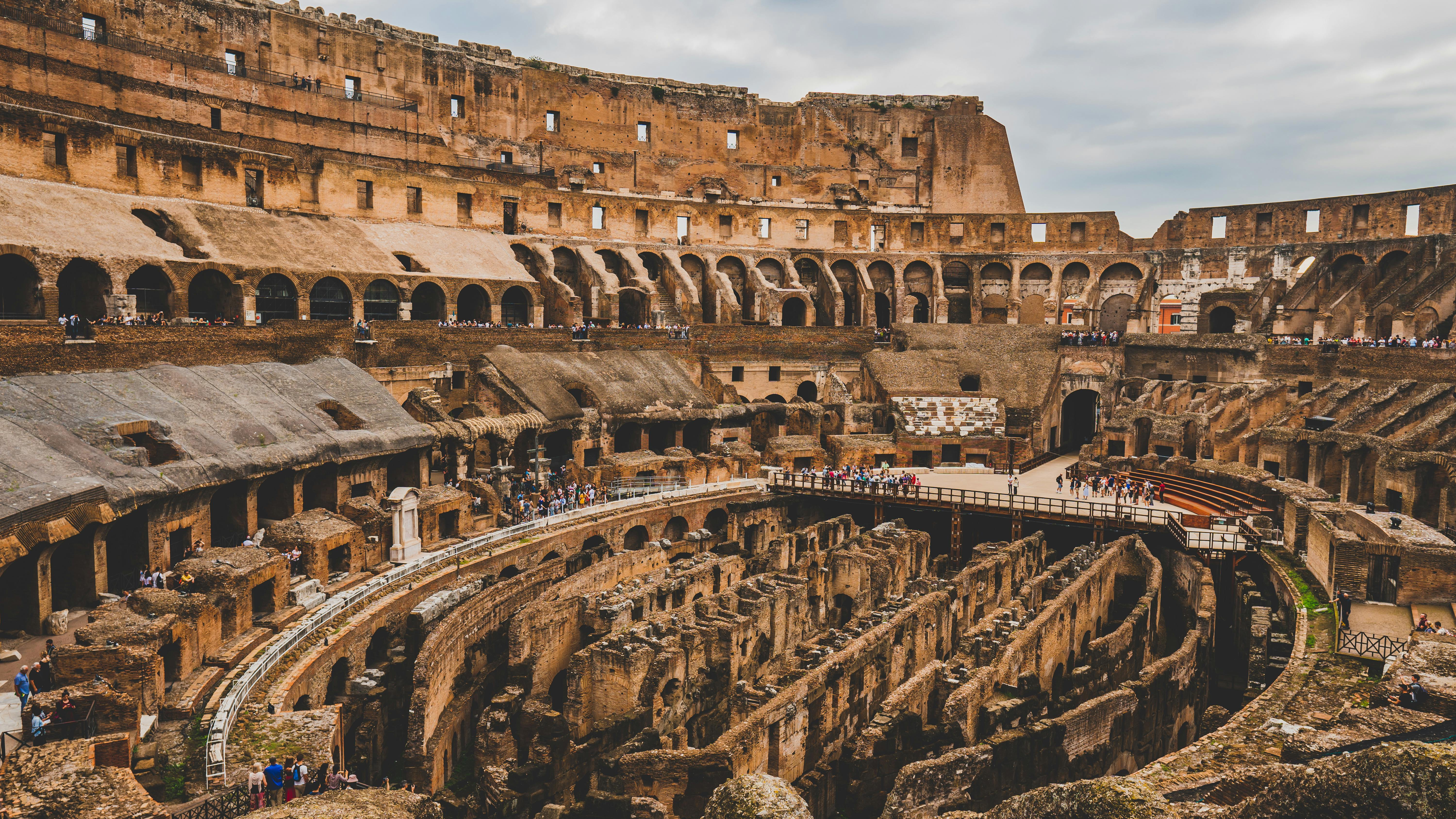
Arrive at the Colosseum right when it opens. If you've pre-booked a timed entry (and you absolutely should), you'll beat the worst of the crowds. Give yourself about 45 minutes inside. The upper levels offer the best perspective on the sheer scale of the arena floor and the underground hypogeum where gladiators once waited.
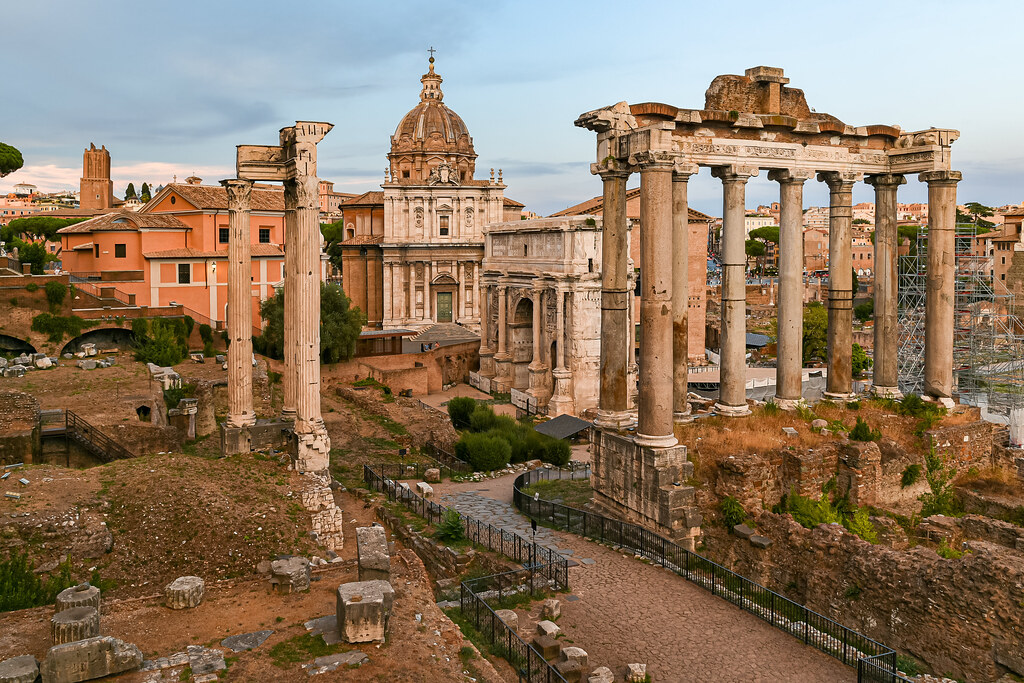
From the Colosseum, cross the street to the Roman Forum and Palatine Hill. These are included in the same ticket. The Forum is where the political and social life of ancient Rome played out — you're walking on the same stones as senators and emperors. Palatine Hill, just above, gives you a panoramic view over the Forum ruins and toward the Circus Maximus. Budget about 90 minutes for both.
A practical note: there are very few shade spots here in summer. Bring water and a hat if you're visiting between June and September.
11:30 AM — Stroll to Piazza Venezia and the Vittoriano
Walk north along Via dei Fori Imperiali, the grand boulevard that cuts through the ancient ruins. You'll pass Trajan's Column and the remains of several imperial forums before arriving at Piazza Venezia. The massive white marble monument here — the Vittoriano — is impossible to miss. You can take the elevator to the terrace at the top for one of the best 360-degree views in Rome. It costs a few euros and is worth every cent.
From the terrace, you can see the Colosseum behind you, St. Peter's dome to the west, and the sprawl of terracotta rooftops in every direction. It's a moment that puts the whole city in perspective before you dive back into the streets.
Planning a day in Rome? Tempo generates a walkable city plan tailored to your pace and interests. Try Tempo AI Travel Planner
12:30 PM — Lunch in the Historic Center
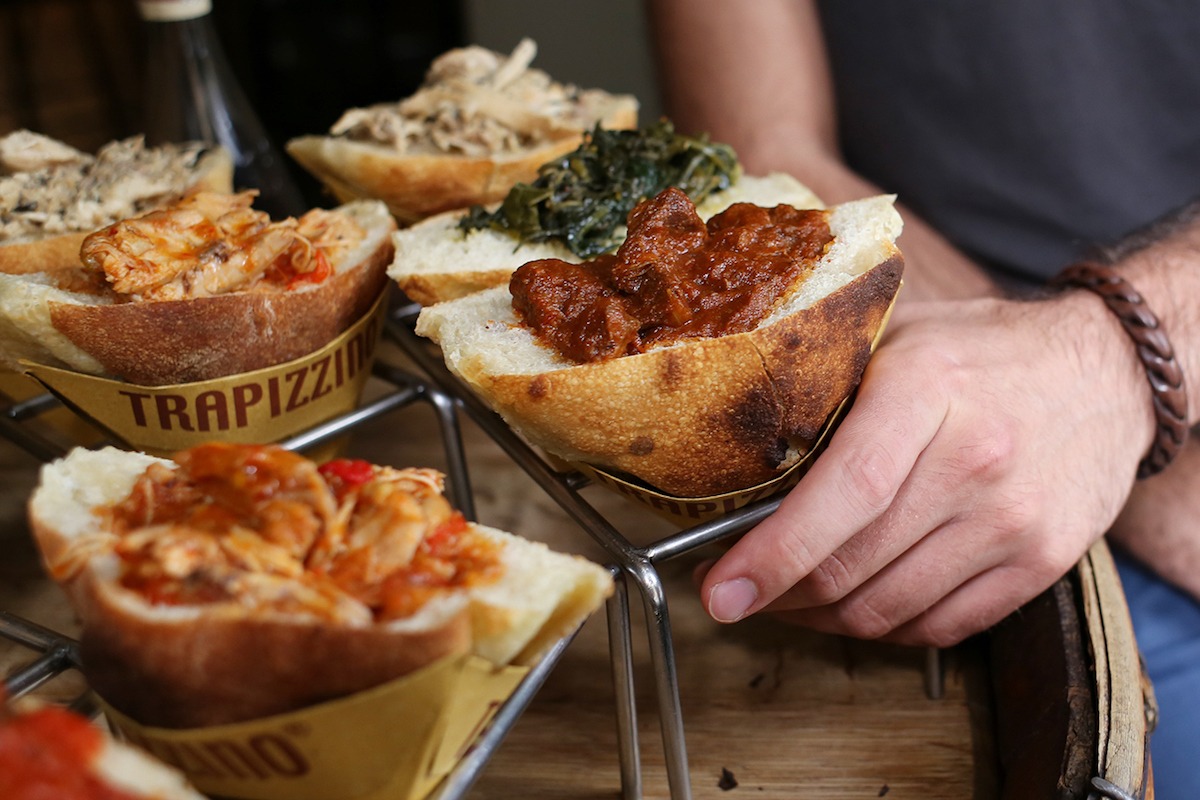
Head west from Piazza Venezia into the tangle of streets around the Pantheon. This is prime lunch territory, but it's also prime tourist-trap territory. The rule of thumb: if a restaurant has someone outside waving a menu at you, keep walking. Instead, look for places with handwritten daily specials, a short menu, and Romans actually eating inside.
Order a proper Roman pasta. Cacio e pepe (pecorino and black pepper) or carbonara (egg, guanciale, pecorino) are the city's signature dishes. Pair it with a quarter-liter of house white wine. A good lunch here should run you about 12 to 18 euros, and it will be one of the best meals of your trip.
1:30 PM — The Pantheon and Piazza Navona
After lunch, walk to the Pantheon — it's likely just around the corner. This 2,000-year-old temple is one of the best-preserved buildings from ancient Rome, and stepping inside is genuinely awe-inspiring. The concrete dome, with its open oculus letting in a perfect circle of light, is an engineering marvel that still holds up against modern architecture. Entry requires a small ticket fee and a timed reservation, which you can book online the day before.
From the Pantheon, it's a five-minute walk to Piazza Navona. This elongated baroque square was built on the footprint of an ancient Roman stadium, and it still feels like a stage. Bernini's Fountain of the Four Rivers anchors the center. Grab an espresso at one of the cafes on the edge of the piazza, people-watch for fifteen minutes, and then move on. The things to do in Rome are endless, but pacing matters on a one-day visit.
3:00 PM — Cross the Tiber to Trastevere
Walk south and cross the Tiber River into Trastevere, Rome's most beloved neighborhood for wandering. The streets here are narrower, the ivy thicker, the laundry strung between buildings more photogenic. Trastevere has a village-within-a-city feel that the historic center doesn't quite match.
There's no single must-see sight here — the point is to wander. Duck into the Basilica di Santa Maria in Trastevere, one of Rome's oldest churches, with stunning golden mosaics in the apse. Browse the small artisan shops. If you need a mid-afternoon pick-me-up, stop for a supplì (a fried rice ball with molten mozzarella inside) at a street food counter. It's the Roman snack you didn't know you needed.
If you enjoy this kind of neighborhood-first travel planning, you might also like our Barcelona one-day itinerary or our weekend guide to Lisbon — both follow the same philosophy of walking, eating, and soaking in the atmosphere.
5:00 PM — Janiculum Hill for Sunset Views
From Trastevere, climb up to Janiculum Hill. It's a steady uphill walk of about fifteen minutes, and it delivers the single best panoramic viewpoint in Rome. Unlike the crowded terraces elsewhere, the Janiculum often has space to breathe. You'll see the full skyline: every dome, every bell tower, and the distant Alban Hills beyond the city limits.
Time this for golden hour if you can. The light on Rome's rooftops in the late afternoon is the kind of thing that makes you understand why painters spent centuries here. There's usually a small kiosk selling drinks near the overlook — grab one and sit on the wall for a while.
7:00 PM — Dinner in Trastevere
Walk back down into Trastevere for dinner. The neighborhood comes alive in the evening, with restaurant tables spilling onto the cobblestones and the sound of conversation filling the narrow streets. For a sit-down meal, look for a trattoria off the main drag of Viale di Trastevere — the side streets are where the better food hides.
Try something you didn't have at lunch. If you had cacio e pepe earlier, go for amatriciana (tomato, guanciale, pecorino) or a simple grilled branzino with roasted potatoes. Roman artichokes — carciofi alla romana or carciofi alla giudia — are outstanding if they're in season. Budget about 20 to 30 euros for a full dinner with wine.
9:00 PM — Evening Stroll and Gelato
End your day with a slow walk back across the river toward the historic center. Rome at night is a different city — the floodlit ruins, the quiet piazzas, the couples on Vespas. Stop for gelato on the way. Look for shops that keep their gelato in covered metal tins rather than piled in colorful mountains — that's a sign it's made fresh and without artificial stabilizers.
If you have energy left, swing past the Trevi Fountain. It's dramatically lit after dark and, while always crowded, the nighttime atmosphere adds something. Toss a coin if the spirit moves you. Then head back to your hotel — you've earned the rest.
Tips for Your Rome Day
- Book timed entries in advance. The Colosseum, Pantheon, and Vatican Museums (if you swap one stop above) all require or strongly recommend advance tickets. Same-day availability is unreliable.
- Wear flat, broken-in shoes. You'll walk 10+ miles on cobblestones. New shoes will punish you by noon.
- Carry a refillable water bottle. Rome has hundreds of free public drinking fountains (nasoni) with clean, cold water throughout the city.
- Eat lunch between 12:30 and 1:30. Many restaurants close the kitchen between lunch and dinner service (roughly 3 to 7 PM). Don't get caught hungry during the gap.
- Use cash at small trattorias. Many neighborhood spots still prefer cash, especially for small tabs.
- Skip the hop-on-hop-off bus. Rome is a walking city. The bus routes miss the best streets entirely, and traffic makes them painfully slow.
- Download offline maps. Phone signal can be unreliable in narrow streets and underground metro stations. Google Maps or Apple Maps both support offline downloads by city.
Why Use a Travel Planner for Rome?
Rome has an overwhelming number of things to do, and the difference between a great day and a frustrating one often comes down to sequencing. Walking in circles because you didn't plan the route, arriving at a sold-out Colosseum, or eating at a tourist trap near the Vatican — these are the mistakes that a good travel planner eliminates.
That's exactly what Tempo is built for. You tell it where you're going and how long you have, and it builds a realistic, walkable city itinerary that accounts for opening hours, travel time between stops, and meal breaks. You can see how it works here. No guesswork, no spreadsheets, no scrolling through dozens of blog posts to piece together a plan.
Whether you're spending one day in Rome or a full week across multiple cities, having a structured travel planning tool means you spend less time researching and more time actually experiencing the place. Check out pricing options to find the plan that fits your next trip.
Frequently Asked Questions
- Can you see Rome in one day?
- Yes. While you won't cover everything, a well-planned day lets you see the Colosseum, Roman Forum, Pantheon, Piazza Navona, and Trastevere at a comfortable pace. The key is sequencing stops geographically to avoid backtracking.
- Is Rome walkable?
- Absolutely. Rome's historic center is compact and best explored on foot. This itinerary covers about 10 miles, all on flat or gently rolling terrain. Comfortable shoes are essential for the cobblestones.
- What is the best time to visit the Colosseum?
- Right when it opens (8:30–9:00 AM). The crowds build quickly after 10 AM, especially in summer. Always book timed-entry tickets online in advance.
- How much does a day in Rome cost?
- Budget roughly €40–80 per person for entrance fees, meals, and coffee. The Colosseum/Forum combo ticket costs about €16, the Pantheon €5, and meals range from €12–30 each.
Planning your day in Rome?
Generate a personalized hour-by-hour city plan instantly with the Tempo AI Travel Planner.
Related Articles
1 Day in Barcelona: Food, Views and Culture
A walkable day plan through Barcelona's best neighborhoods with tapas and Gaudí.
ItinerariesWeekend in Lisbon: A Smart 2-Day City Plan
Explore Alfama, Belém, and Bairro Alto in a structured 2-day plan.
TipsRainy Day in Paris: Museums, Cafés and Indoor Gems
World-class museums, covered passages, and cozy bistros for when Paris skies turn grey.