A rainy day in Rome changes the experience rather than ruining it — and for one specific stop, the Pantheon, it actually improves it. The 8.9-metre oculus at the dome's apex has no glass, and when it rains, a shaft of water falls through the opening onto the ancient marble floor below, draining through a system of holes the Romans installed 1,900 years ago. Seeing the Pantheon in rain is seeing it function as designed. That detail is a useful frame for the whole day: Rome's greatest indoor experiences — the Vatican Museums, the Caravaggio churches, the grand piazzas sheltered by their surrounding buildings — are extraordinary in any weather, and some are specifically better when the streets outside are empty of fair-weather tourists. This itinerary sequences the best of them into a complete, low-friction day that does not feel like a compromise.
Use this as your exact rainy-day plan, or as a ready-to-activate backup when the forecast changes overnight. Every section is either fully indoors or involves only short, covered transfers.
At a Glance
- Duration
- Full day (9:00 AM – 9:30 PM)
- Walking
- ~6–7 km / 4 miles (rain-friendly pace, taxi for one jump)
- Best for
- First-timers, culture + food lovers, any season
- Budget
- €45–95 per person
- Highlights
- Vatican Museums, Sistine Chapel, Pantheon in rain, Caravaggio churches, Trastevere dinner
- Pace
- Deliberate, indoor-first, neighbourhood-clustered
Table of Contents
- Quick summary table
- Hour-by-hour rainy day itinerary
- Practical rainy day tips for Rome
- Rainy day Rome FAQs
Quick Summary Table
| Time | Stop | Why it works in the rain |
|---|---|---|
| 9:00 | Breakfast in Prati | Indoor start, one minute from Vatican Museums entrance |
| 10:00 | Vatican Museums + Sistine Chapel | 7km of galleries, almost entirely indoors — Rome's best rain anchor |
| 1:00 | Long lunch in Prati | Best neighbourhood for affordable lunch near the Vatican — local, not tourist-facing |
| 3:00 | Pantheon + Caravaggio churches | The Pantheon is uniquely better in rain; nearby churches have world-class art for free |
| 5:30 | Caffè Sant'Eustachio + covered centro stroll | The best coffee in Rome, two minutes from the Pantheon, warm and sheltered |
| 7:30 | Dinner in Trastevere | Rome's most atmospheric neighbourhood for a warm rainy evening |
Planning your day in Rome?
Generate a personalized hour-by-hour city plan instantly with the Tempo AI Travel Planner.

9:00 AM — Breakfast in Prati: Warm, Local, Two Minutes from the Vatican
Prati is the neighbourhood immediately east of Vatican City — a grid of wide, elegant streets built in the late 19th century that functions as a genuine Roman residential area with far lower tourist density than the Vatican surroundings themselves. Starting breakfast here means you walk three minutes to the Vatican Museums entrance, staying almost entirely sheltered by the building facades along Via della Conciliazione, without the long cross-city transit that would expose you to rain unnecessarily.
For breakfast: Sciascia Caffè on Via Fabio Massimo has been serving what many Italians seriously argue is the best espresso in Rome since 1919. The formula — a house blend roasted to a specific darkness, pulled through a vintage espresso machine maintained with obsessive care — is unlike most espresso you will drink in the city, with a thick crema and a bittersweet depth that makes the cornetto alongside it taste better by contrast. It is small, unpretentious, and costs under €3 for coffee and pastry. Alternatively, any of the neighbourhood bars along Via Cola di Rienzo do the standard bar breakfast (cappuccino + cornetto) for €2.50–3 standing at the counter. Be at the Vatican Museums entrance by 10:00am with your pre-booked ticket.
One non-negotiable for this stop: your Vatican Museums ticket must be pre-booked through museivaticani.va before you travel. Rain drives additional visitors indoors, making same-day Vatican access even less reliable than usual. A timed-entry reservation is the difference between walking in at 10:00am and standing in a queue in the rain for an hour before you can join the building.
10:00 AM — Vatican Museums and the Sistine Chapel: Rome's Greatest Rain Anchor
The Vatican Museums are the best rainy-day anchor in Rome for a specific reason: they contain approximately 7km of gallery space across dozens of rooms, courtyards, and corridors, almost entirely under cover. You can spend two to three hours inside without returning to the street once. In heavy rain, this makes the Vatican Museums not just a good indoor option but the objectively correct place to be — nowhere else in Rome offers the same combination of world-class content and total weather immunity.
On a rainy day, the strategy for moving through the museums is the same as on a clear one, but with less pressure to leave early: move purposefully through the Gallery of Maps (a 120-metre corridor lined with 40 painted topographic maps of Italian regions commissioned in 1580 — as a room, one of the most spectacular spaces in Rome and usually walked through too quickly), enter the Raphael Rooms (four interconnected rooms painted by Raphael between 1508 and 1524, including the School of Athens — Raphael's synthesis of Greek philosophy as a single visual argument), and work toward the Sistine Chapel. The Cortile della Pigna — the large outdoor courtyard with the giant bronze pinecone from antiquity — can be passed through quickly in rain or bypassed entirely via the internal route.
In the Sistine Chapel: Michelangelo's ceiling (1508–1512) and Last Judgment (1536–1541) are here. The ceiling's nine central panels from Genesis — culminating in the Creation of Adam — are best seen in the first 15 minutes before eye fatigue from looking upward sets in. Bring a small mirror to hold above your face while looking up, which reduces neck strain significantly and is not prohibited. Allow 30–45 minutes in the Chapel, then exit via the direct door into St. Peter's Basilica rather than walking back through the museums.
St. Peter's Basilica is free and immediately accessible from the Sistine Chapel exit door — a covered transition that costs nothing and adds Michelangelo's Pietà and Bernini's baldachin to your morning without additional exposure to rain. Add 30–45 minutes here. The dome climb (€8–10) provides the best panoramic view over Rome and is worth considering if the rain has eased — the climb itself is entirely enclosed and the view platform is exposed but brief. By 1:00pm you will be ready to return to Prati for lunch.
Forecast changed? Tempo can instantly swap your plan to prioritize indoor stops and shorter walking segments. Try Tempo AI Travel Planner
1:00 PM — Lunch in Prati: Eating Well Without the Vatican Premium
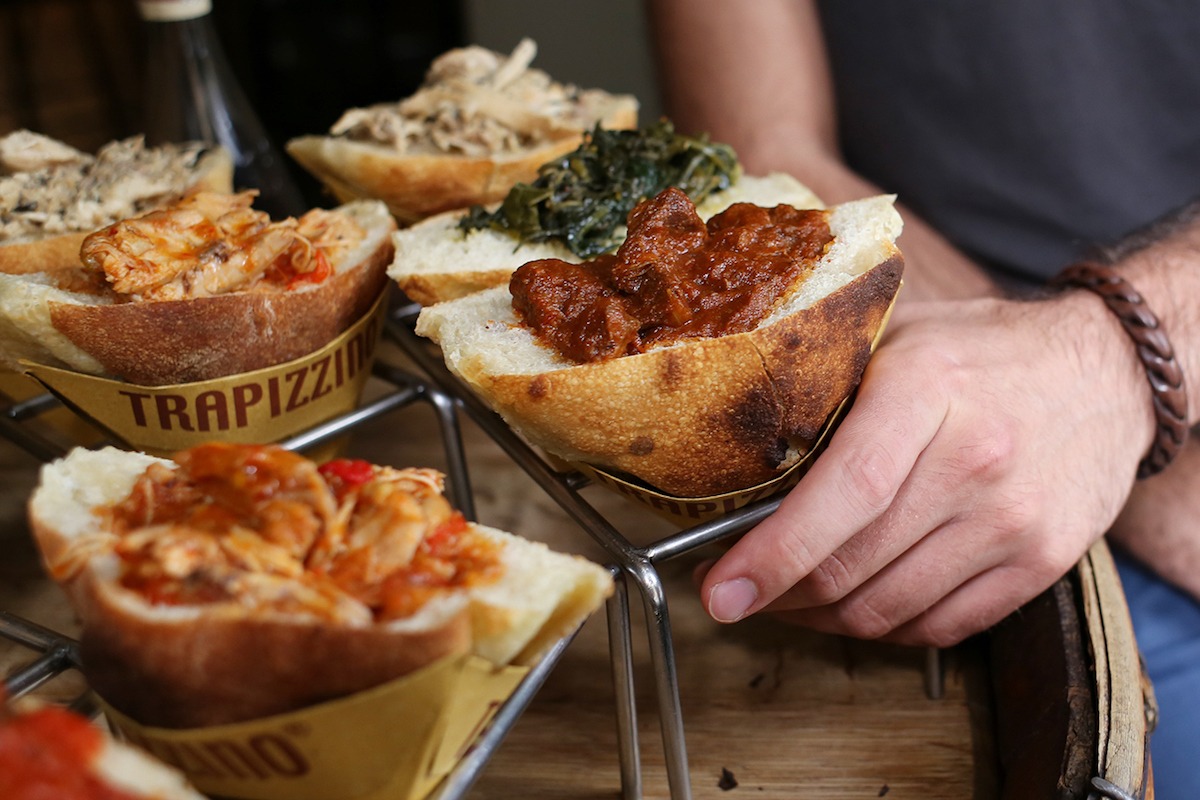
The restaurants immediately around the Vatican entrance charge tourist prices for food that does not justify them. Walking the five minutes back into Prati proper — the streets around Via Properzio, Via Candia, and Piazza dei Quiriti — produces a completely different experience: neighbourhood trattorias and wine bars serving proper Roman food to the people who live and work in the area.
Il Sorpasso on Via Properzio is one of the best wine bars in Rome — a long, warm room with an excellent selection of natural wines by the glass, good cheese and charcuterie boards, and a changing daily pasta menu. It is the kind of place that Romans bring guests from out of town, and the Prati location means it is consistently overlooked by Vatican-area tourists. A glass of Lazio white, a pasta, and a shared board costs €20–30 per person. It is the right lunch for a rainy afternoon in Rome.
For Roman pasta specifically: cacio e pepe (spaghetti with pecorino, black pepper, and pasta water — three ingredients, one of Italy's great dishes), carbonara (guanciale, egg yolk, pecorino — no cream anywhere in Rome), and amatriciana (guanciale, San Marzano tomatoes, pecorino) are the three dishes to order. In Prati, where the kitchen is cooking for locals rather than tourists, these arrive as they should: properly made, correctly proportioned, not swimming in sauce.
Budget 75–90 minutes for lunch. The rain outside is doing you a favour — a proper Roman midday meal taken slowly is part of what this city is, and a rainy day makes the decision to sit long over a good carafe of house wine feel earned rather than indulgent.
3:00 PM — The Pantheon in Rain: The One Time Weather Improves a Landmark
Take a taxi or bus from Prati to the Pantheon — around €10–12 by taxi, 20 minutes by bus (line 40 or 46). This is the one longer transit of the day and worth taking by taxi on a rainy afternoon to arrive at the entrance dry and on schedule.
Here is the detail about the Pantheon and rain that most travel content misses entirely: the oculus — the 8.9-metre circular opening at the apex of the dome — has no glass. When it rains, water falls through the opening in a column onto the ancient marble floor below and drains through a series of holes built into the floor by the Romans approximately 1,900 years ago. The drainage system still works. In rain, you watch the Pantheon functioning exactly as it was designed to function — a building that accepted weather as part of its interior experience rather than something to be excluded. Seeing the Pantheon during rain, with the water column falling through the oculus and the dome lit from above by the diffused grey light, is one of the more unexpectedly moving versions of this experience available in Rome.
Entry is €5 (book at pantheonroma.com); free on the first Sunday of the month. Allow 30–40 minutes inside. The surrounding streets of the centro storico, sheltered by the close-built buildings, are manageable under an umbrella for the short walks between the Pantheon and the next stops.
From the Pantheon, walk three minutes to San Luigi dei Francesi on Piazza di San Luigi dei Francesi — a free church containing three Caravaggio paintings in the Contarelli Chapel (rear left): The Calling of Saint Matthew, The Martyrdom of Saint Matthew, and The Inspiration of Saint Matthew. The tenebrism — Caravaggio's technique of extreme contrast between light and shadow — is more legible in the low, grey light of a rainy afternoon than in the harsh sunlight that bleaches colour out of everything in summer. Insert €1 in the box beside the chapel to illuminate the paintings properly. Allow 20 minutes.
Walk five minutes to Sant'Ignazio di Loyola on Piazza di Sant'Ignazio — a Baroque church with a ceiling fresco by Andrea Pozzo (1694) that is one of the great trompe l'oeil paintings in the world. Pozzo painted a false dome on a flat ceiling with such geometric precision that standing on the marble disc in the nave floor, it is impossible to determine that the dome is painted rather than built. The church is free, takes 15 minutes, and is almost never mentioned in standard Rome itineraries despite being ten minutes from the Pantheon and technically extraordinary.
A third option: Santa Maria sopra Minerva, immediately behind the Pantheon — Rome's only Gothic church (all others were converted to Baroque), containing Fra Angelico's tomb, Michelangelo's Christ Bearing the Cross sculpture, and the small elephant obelisk in the piazza outside (Bernini's design, the smallest of Rome's thirteen ancient obelisks). Free to enter, 15–20 minutes.
5:30 PM — Caffè Sant'Eustachio and the Covered Centro Stroll
Walk two minutes from the Pantheon to Caffè Sant'Eustachio on Piazza di Sant'Eustachio — widely regarded as serving the best espresso in Rome and the subject of a long-running argument with Sciascia in Prati. The house method involves a secret pre-sugar technique applied to the espresso before frothing, resulting in a dense, slightly sweet crema that is unlike standard espresso and that regular customers become quietly obsessive about. Order a gran caffè (the house version, slightly larger than espresso, prepared to their method). Do not ask for it without sugar — they make it the way they make it, and they are correct to do so. Cost: around €1.50 at the bar.
After coffee, use the remaining daylight for a short, sheltered wander through the centro storico streets between the Pantheon and Piazza Navona — five minutes of walking, entirely manageable under an umbrella, through some of the most beautiful medieval street fabric in Rome. Piazza Navona itself handles light rain well: the surrounding Baroque buildings shelter the square on all sides and Bernini's Fountain of the Four Rivers continues regardless of weather. If rain is heavy, the Doria Pamphilj Gallery on Corso del Rinascimento — a private family gallery housed in one of Rome's grandest palaces, with an exceptional collection including Velázquez's portrait of Pope Innocent X and works by Caravaggio, Bruegel, and Titian — is an excellent final afternoon stop (entry around €16, and almost always uncrowded).
By 6:30pm, make your way to Trastevere for dinner. A taxi from the Pantheon area to Trastevere takes around 10 minutes and costs €8–10. In light rain, the 20-minute walk across the Tiber and into the neighbourhood is pleasant; in heavy rain, take the taxi.
7:30 PM — Dinner in Trastevere: The Right Rainy Evening Finish
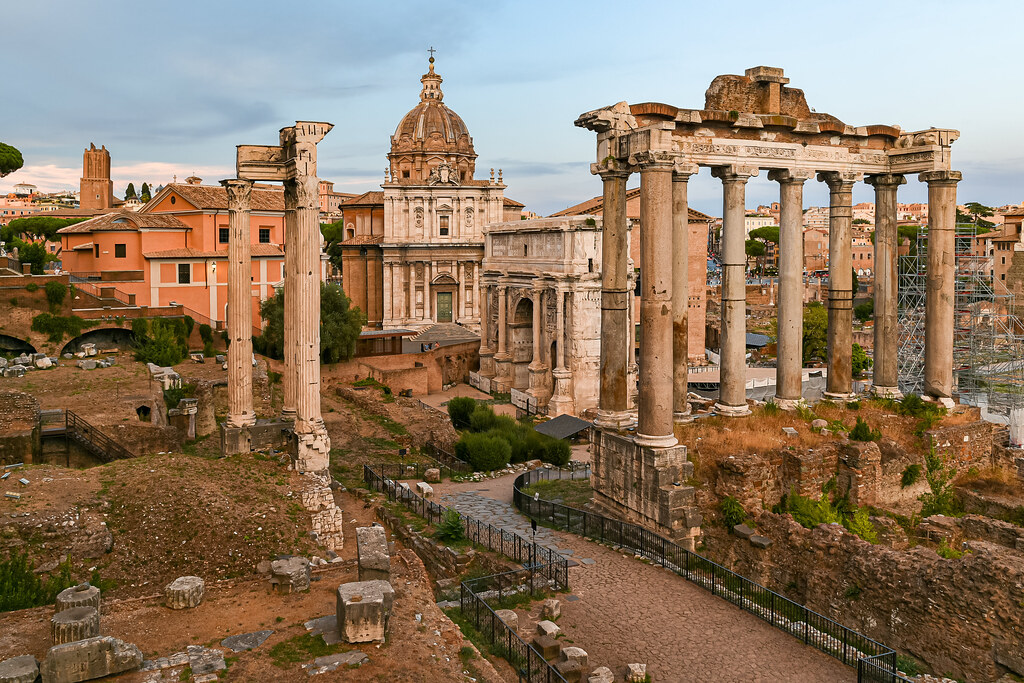
Trastevere is the best neighbourhood in Rome for a rainy evening dinner because the narrow medieval streets and close-built houses create natural shelter between restaurants, and because the neighbourhood's general warmth and informality means that arriving slightly damp does not produce the stiff-service response that a formal centro storico restaurant might generate.
Da Enzo al 29 on Via dei Vascellari is the benchmark — a small, beloved trattoria requiring a reservation made at least a week ahead, serving the Roman canon (cacio e pepe, carbonara, coda alla vaccinara — oxtail braised with bitter chocolate and cloves) to a loyal clientele. On a rainy evening, the room's warmth and the sound of rain on the cobblestones outside creates exactly the atmosphere the neighbourhood is famous for. Da Augusto on Piazza de' Renzi is the less formal alternative — cash only, outdoor tables (skip those tonight), daily specials on a chalk board, and the specific unpretentious energy of Trastevere at its most itself. Tonnarello on Via della Paglia is the most accessible for walk-ins, with reliable pasta and a lively indoor section.
Before or after dinner, step into the Basilica di Santa Maria in Trastevere — the neighbourhood's anchor church, which stays open into the evening and has a 12th-century Byzantine mosaic facade and interior mosaics that glow in artificial light in a way they do not in daytime. It is free to enter and takes 10 minutes. On a rainy evening, the church is usually quiet and the mosaics are exceptional.
If the rain eases after dinner, the walk back toward the city centre along the Tiber embankment — with the Castel Sant'Angelo lit across the water — takes about 25 minutes and is one of the better wet-evening walks in Rome. If the rain persists, cross the Tiber at the nearest bridge and take a taxi or bus from the nearest stop on the north bank.
Practical Tips for a Rainy Day in Rome
- The sampietrini cobblestones are extremely slippery when wet. Rome's historic streets are paved with the small black basalt sampietrini (named for St. Peter's Square, where they were first used) — beautiful, ancient, and ice-smooth in rain. Shoes with any kind of grip are essential. Smooth leather soles on wet Roman cobblestones are a serious fall risk, not a mild inconvenience. This applies especially in Trastevere, where the stones are particularly worn and the streets are narrow and irregular.
- Book the Vatican Museums before you travel, not on the morning. Rain concentrates visitors indoors and same-day Vatican access is unreliable in any weather. Book through museivaticani.va with a 10:00am timed entry. This is non-negotiable on a rainy day — the alternative is queuing in the rain for an indeterminate period before you can enter the building.
- A taxi for the Prati-to-Pantheon transfer is worth the €10–12. This is the longest outdoor transit of the day and the moment most likely to produce significant rain exposure. One taxi ride preserves your mood and energy for the church and coffee stops that follow. Public bus (lines 40, 46, or 23) is the budget alternative at €1.50.
- The Pantheon's oculus is open to the sky — this is intentional and beautiful in rain. Do not be surprised that rain falls into the building through the opening. The floor drains it. The experience is one of the most specific and memorable things Rome offers in wet weather — arrive expecting it and stay long enough to appreciate it.
- Caravaggio's paintings in San Luigi dei Francesi are free. Three of the most important paintings in Rome, by the artist who changed Western painting more dramatically than almost anyone between Raphael and Rembrandt, in a free church two minutes from the Pantheon. Put €1 in the illumination box. Look slowly. They are better in grey light than in direct sunlight.
- Rome rain is usually short and intense rather than persistent. Unlike Amsterdam or London, where rain often settles in for the day, Roman rain — particularly in autumn and spring — tends to arrive in sharp, heavy showers that pass within 30–45 minutes. The itinerary is structured around indoor blocks timed to coincide with the worst of the rain, with short outdoor transfers during the natural pauses. Check a weather app with hourly rain probability before leaving each indoor stop.
Takeaways
- A rainy day in Rome, sequenced correctly, is a complete and genuinely good city day — not a reduced version of a clear-day itinerary. The Vatican Museums, the Pantheon in rain, the Caravaggio churches, Caffè Sant'Eustachio, and Trastevere on a wet evening are all experiences that hold up fully or improve in wet weather.
- The Pantheon's oculus is the specific detail that makes a rainy Rome day memorable rather than merely manageable. The building was designed to receive rain. Go expecting it and stay long enough to see the water fall through the dome onto the ancient floor.
- San Luigi dei Francesi — three Caravaggio paintings, free, three minutes from the Pantheon — is the most important stop most Rome visitors on a standard itinerary skip entirely. A rainy afternoon gives you the unhurried time to see them properly.
- Prati for lunch and Trastevere for dinner is the correct neighbourhood pairing for a rainy Vatican-to-historic-centre day — both offer genuine local food at reasonable prices, and neither requires long outdoor transits in bad weather.
- Book the Vatican Museums before you travel. Every other element of this itinerary can be decided on the day. The Vatican cannot.
Rainy Day Rome FAQs
Frequently Asked Questions
- What should I do in Rome when it rains?
- Build the day around three indoor anchors with short covered transfers between them. Morning: Vatican Museums and Sistine Chapel (pre-booked, 2.5–3 hours, almost entirely indoors — the best single rainy-day anchor in Rome). Afternoon: the Pantheon (uniquely better in rain when water falls through the open oculus onto the ancient floor), followed by San Luigi dei Francesi for the three Caravaggio paintings (free) and Sant'Ignazio for the trompe l'oeil ceiling fresco (free). Evening: Trastevere for dinner. One taxi ride from Prati to the Pantheon at 3pm is the only long outdoor transit the day requires.
- Is the Pantheon worth visiting in the rain?
- More so than in dry weather, for a specific reason: the oculus — the 8.9-metre circular opening at the dome's apex — has no glass. Rain falls through it in a column onto the ancient marble floor below and drains through holes the Romans built approximately 1,900 years ago. The drainage system still works. Seeing the Pantheon in rain means seeing it function exactly as designed — a building that accepted weather as part of its interior rather than excluding it. The diffused grey light through the oculus also renders the dome's proportions more clearly than harsh summer sunlight. Entry is €5 (book at pantheonroma.com).
- Is Rome still worth visiting in rainy weather?
- Yes — Rome's best indoor experiences are some of the finest in Europe. The Vatican Museums alone contain 7km of gallery space and could absorb an entire day. The Caravaggio paintings in San Luigi dei Francesi, the trompe l'oeil ceiling of Sant'Ignazio, the Byzantine mosaics of Santa Maria in Trastevere — none of these require dry weather. Roman rain also tends to be short and intense rather than persistent, meaning the day typically includes natural clear windows between showers. A well-sequenced rainy Rome day feels like a complete city experience, not a compromise.
- Should I book Vatican Museums in advance for a rainy day?
- Yes, and more urgently than for a clear day. Rain drives additional visitors indoors across the city, increasing demand at covered sites. Same-day Vatican Museums access is unreliable in good weather and essentially impossible in heavy rain. Book at museivaticani.va with a morning timed-entry slot (10:00am works well for this itinerary) as far in advance as possible. This is the single most important logistical decision for a rainy Rome day — everything else is manageable on the day.
- What are the best free indoor things to do in Rome when it rains?
- Several of Rome's most significant indoor experiences are completely free: San Luigi dei Francesi contains three Caravaggio paintings (among the most important in Rome) in a free church two minutes from the Pantheon. Sant'Ignazio di Loyola has Andrea Pozzo's trompe l'oeil false dome ceiling — one of the great optical illusions in Baroque art — in a free church ten minutes from the Pantheon. Santa Maria sopra Minerva (Rome's only Gothic church, with Fra Angelico's tomb and a Michelangelo sculpture) is free. St. Peter's Basilica nave and Michelangelo's Pietà are free (dome climb is €8–10). The Basilica di Santa Maria in Trastevere has 12th-century Byzantine mosaics and is free to enter. A full day of world-class art and architecture in Rome is possible at minimal cost even excluding the Vatican Museums.
- How do I get from the Vatican to the Pantheon in the rain?
- Taxi from in front of the Vatican Museums exit — around €10–12 for the 15-minute journey, and worth it on a rainy afternoon rather than navigating the bus route with wet luggage and an umbrella. If budget is tight, bus lines 40 and 46 both run from the Vatican area to Largo Argentina, a five-minute walk from the Pantheon, for €1.50. The bus journey takes around 25 minutes. Either way, this is the one longer outdoor transit of the day — timing it for a natural pause between showers (check hourly rain probability on a weather app before leaving the restaurant) makes it considerably more comfortable.
Planning your day in Rome?
Generate a personalized hour-by-hour city plan instantly with the Tempo AI Travel Planner.
Related Articles
1 Day in Rome: The Perfect Walkable City Plan
Use this sunny-day route when weather is clear and you want more outdoor viewpoints.
TipsRainy Day in Paris: Museums, Cafés and Indoor Gems
A weather-proof Paris plan with museum blocks and cozy indoor stops.
ItinerariesWeekend in Lisbon: A Smart 2-Day City Plan
Stretch your city strategy into a full weekend with practical sequencing.