Rome is one of the best cities in Europe for budget travel, for a reason most visitors do not fully appreciate before they arrive: an extraordinary proportion of the city's most memorable experiences are completely free. The Trevi Fountain, the Spanish Steps, Piazza Navona, the Castel Sant'Angelo bridge, the Pantheon exterior, the Roman Forum walls visible from the street — and a viewpoint on the Aventine Hill that many Romans consider the best panorama in the city — all cost nothing. A well-sequenced day in Rome on €35–50 per person is not a reduced version of the city. It is the city, with one or two paid additions chosen deliberately rather than reflexively.
At a Glance
- Duration
- Full day (9:00 AM – 9:00 PM)
- Walking
- ~7 km / 4.3 miles
- Best for
- Budget travellers, first-timers, solo travel
- Budget
- €30–60 per person (excluding lodging)
- Highlights
- Pantheon, Trevi Fountain, Aventine viewpoint, Testaccio lunch, Trastevere evening
- Pace
- Value-focused, neighbourhood-clustered, walking-first
Budget Snapshot
| Category | Target spend | Specific options |
|---|---|---|
| Breakfast | €2–4 | Cornetto + cappuccino at the bar (standing) |
| Lunch | €5–10 | Pizza al taglio, supplì, trapizzino, or market lunch |
| Snacks + gelato | €3–6 | One supplì (€2), one proper artigianale gelato (€3) |
| Dinner | €12–20 | Neighbourhood trattoria, house wine included |
| One paid attraction | €5–18 | Pantheon (€5) or Colosseum (€18, or free first Sunday) |
| Transport | €0–3 | Mostly walking; one bus/metro ticket if needed (€1.50) |
Planning your day in Rome?
Generate a personalized hour-by-hour city plan instantly with the Tempo AI Travel Planner.

9:00 AM — Breakfast at the Bar: The Budget Traveller's First Advantage
The Italian bar breakfast is one of the best-value morning rituals in Europe and the correct way to start a budget Rome day. At any neighbourhood café bar, a cornetto (the Italian croissant — lighter than the French version, often filled with cream, jam, or Nutella) costs €1–1.50. A cappuccino or caffè costs €1.20–1.50. Total: €2.50–3 per person, standing at the counter in the Italian fashion. The same items consumed at an outdoor table add a coperto (cover charge) that triples the price.
This is not a compromise — it is how Romans actually eat breakfast. The bar counter, the quick exchange with the barista, the cornetto eaten in two minutes while standing: this is the authentic version, and it costs less than a third of the tourist sit-down equivalent. Find a café one block from your accommodation, away from any major landmark, and you will pay neighbourhood prices rather than tourist ones.
One specific tip: ask for your coffee al banco (at the counter) if you are uncertain about whether table prices apply. In any bar near a major tourist site, this distinction saves €2–4 per person per coffee for the entire trip.
10:00 AM — The Free Landmark Morning: Rome's Greatest Open-Air Museum
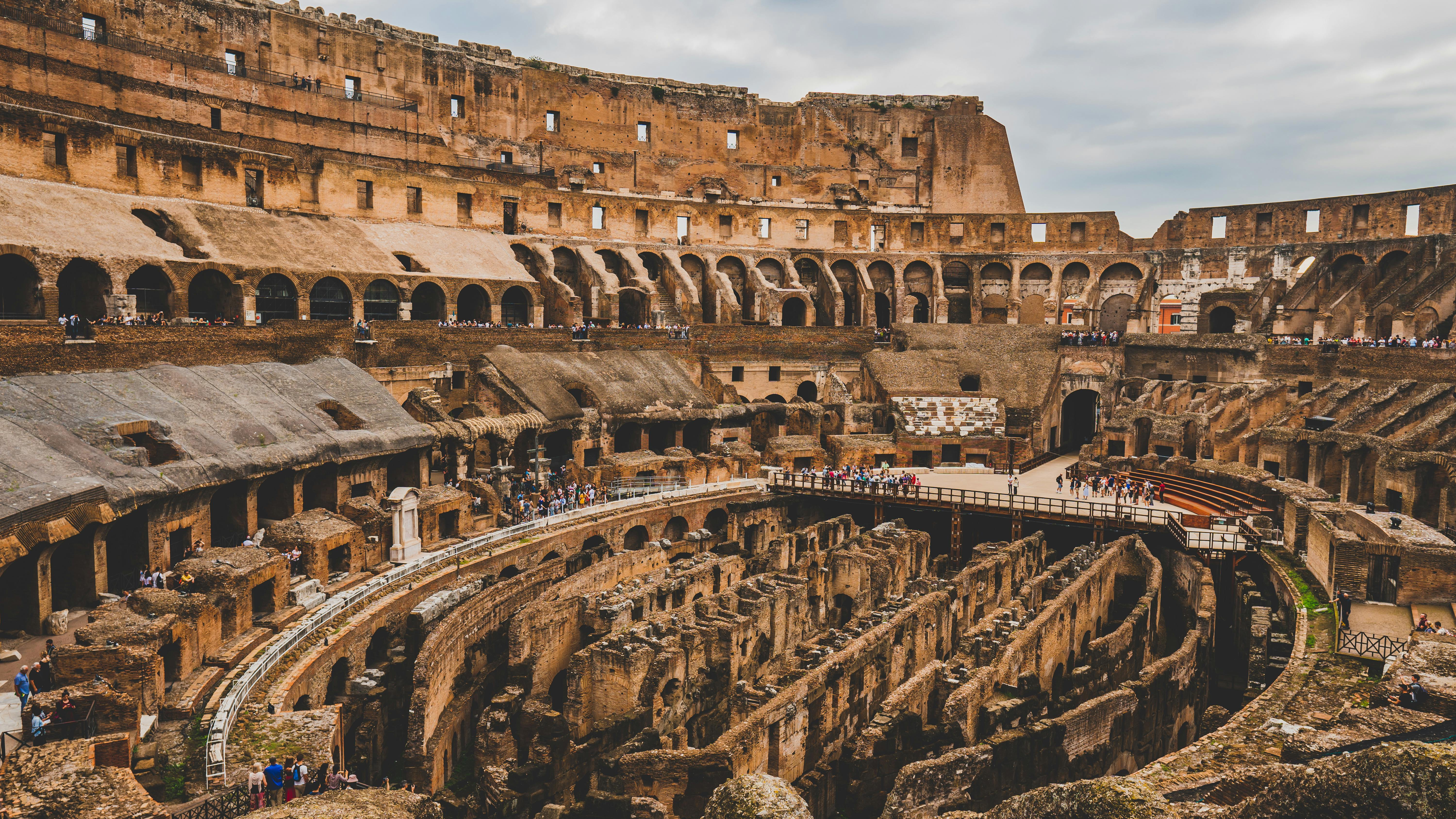
The morning of a budget Rome day is built around the cluster of landmarks in the centro storico that are completely free to experience from public space. This is not a compromise with a proper visit — for several of these sites, the exterior experience is actually superior to paying for interior access.
Start at the Pantheon on Piazza della Rotonda. Entry to the interior costs €5 (since 2023) and is worth paying for the extraordinary unreinforced concrete dome and the oculus — but if the budget is tight, the exterior of the Pantheon from the piazza is itself remarkable: the complete Roman portico, eight granite columns from Egypt standing 11.8 metres high, the bronze doors (2,000-year-old originals), and the inscription AGRIPPAE across the pediment. The fontana del Pantheon in the centre of the piazza, with Ramses II's Egyptian obelisk, adds to the spectacle. Spend 15 minutes at the exterior; add 30–40 minutes inside if the €5 entry is within your budget.
Walk five minutes north to Piazza Navona — free, always, one of the great Baroque urban spaces in Europe. Bernini's Fountain of the Four Rivers at the centre is as spectacular from the piazza edge as from any paid vantage point. Walk the full perimeter, look at the church of Sant'Agnese in Agone (free to enter), and continue east.
Walk 15 minutes east to the Trevi Fountain — free. The fountain is spectacular, the coin-throwing ritual is free (throw with your right hand over your left shoulder — the coins go to the city of Rome), and the surrounding streets are genuinely beautiful even at busy times. The best budget strategy here: arrive by 10:30am on a weekday before the crowd thickens, spend 15 minutes, and move on.
Walk 10 minutes north to the Spanish Steps — 135 steps connecting Piazza di Spagna to the Trinità dei Monti church, free to climb, with a view from the top over the rooftops of the centro that costs nothing. The surrounding Keats-Shelley Memorial House is a small museum at the base worth knowing about for literary travellers (entry around €6).
This morning loop covers four of Rome's most visited sites and costs nothing beyond your cornetto. By 12:30pm you will be ready for lunch — and ready to eat well for very little money.
Tempo can optimize low-cost routes and reduce unnecessary transport spending in one tap. Try Tempo AI Travel Planner
1:00 PM — Budget Lunch: Rome's Street Food is World-Class
Rome's affordable food scene is genuinely excellent — not a compromise with the city's cuisine but an authentic and specific part of it. The street food and quick-service options that budget travellers default to in Rome are the same things Romans eat when they are in a hurry, which means the quality floor is high.
Pizza al taglio (pizza by the slice, sold by weight from long rectangular trays) is the foundational budget Rome lunch. A generous slice of margherita or pizza bianca (white pizza with olive oil and sea salt) costs €3–6 depending on weight and location. Antico Forno Roscioli on Via dei Chiavari is widely cited as the best pizza al taglio in the city — the pizza bianca here is a benchmark. The queue is usually worth joining.
Supplì — fried rice balls stuffed with mozzarella and ragù, eaten hot from the fryer — cost €1.50–2 each and are sold alongside pizza al taglio at most good forno counters. Two supplì and a slice of pizza: a complete and genuinely satisfying Roman lunch for under €8.
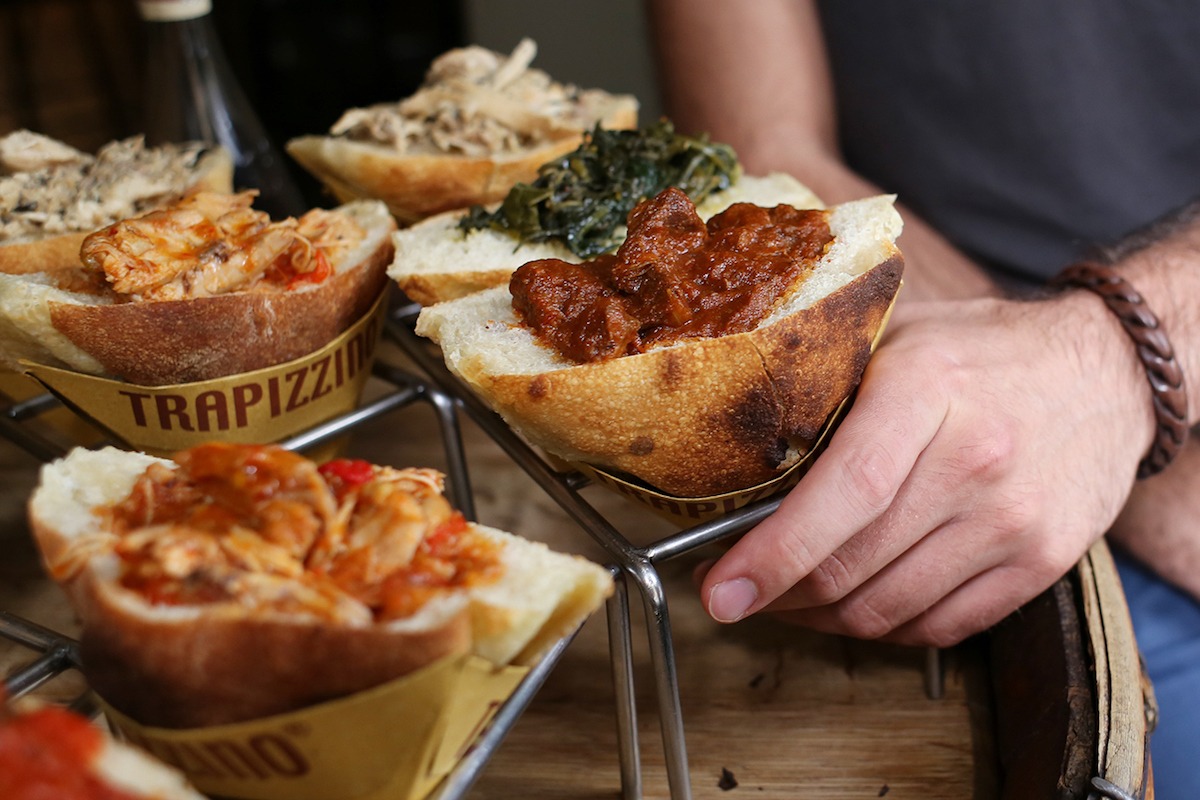
Trapizzino — triangular pockets of thick Roman pizza dough stuffed with traditional Roman fillings (chicken cacciatore, oxtail, eggplant parmigiana) — cost €3–4 each and were invented by Stefano Callegari. The Testaccio location is the original. They are one of Rome's best modern street food inventions and almost always absent from budget travel recommendations.
The menù del giorno (daily set lunch menu) at non-tourist trattorias typically costs €10–15 for a first course (pasta), a second course (meat or fish), bread, and a small carafe of house wine. This is genuinely good value for a full sit-down lunch and available in most neighbourhood trattorias away from the tourist axis. Ask if there is a menù fisso — if yes, you are in the right place.
The golden rule for affordable Rome food: walk at least one full block away from any major landmark before sitting down to eat. The price difference between a restaurant on Piazza Navona and one on the next street is 40–80% for equivalent food. The tourist premium is real, visible on every menu board, and completely avoidable.
3:00 PM — Free Afternoon: Rome's Best Viewpoints and Neighbourhoods
The afternoon of a budget Rome day has some of the city's best — and most overlooked — free experiences. Two deserve specific mention.
The Giardino degli Aranci (Orange Garden, also called Parco Savello) on the Aventine Hill is arguably the best free panoramic view in Rome — a small, fragrant garden overlooking the Tiber, with St. Peter's Basilica visible across the river and the city spreading south and east. It is almost unknown to first-time visitors and consistently cited by Romans as a preferred viewpoint over the more famous and crowded Pincio terrace. The garden is free, open daily, and a 20-minute walk south from the Pantheon area. Allow 20 minutes for the view and the orange trees.
Immediately adjacent on the Aventine is one of Rome's most curious free experiences: the Aventine Keyhole on Piazza dei Cavalieri di Malta. Through the keyhole of the priory's main gate, a perfectly framed long garden tunnel frames a precise view of St. Peter's dome in the distance — a piece of intentional 18th-century garden design by Giovanni Battista Piranesi. There is usually a short queue of people waiting for their turn at the keyhole. It takes two minutes and is entirely free.
From the Aventine, walk west toward Testaccio — Rome's most authentically local central neighbourhood, built on the site of the ancient Roman emporium where grain, oil, and wine were unloaded from barges. The covered Mercato Testaccio (open Tuesday to Saturday) is one of the best food markets in Rome — fresh produce, cheese, cured meats, prepared food stalls, and the kind of neighbourhood energy that the tourist markets near the centro lack entirely. Even outside market hours, the streets of Testaccio are worth walking: the neighbourhood's ice cream shop (Gelato di San Crispino has a branch here), wine bars, and butcher shops reflect a Rome that the centro storico no longer fully is.
Continue west from Testaccio across the Tiber into Trastevere for the late afternoon. The neighbourhood's streets — free to walk, beautiful in the late afternoon light — are as good as any paid attraction in the city. The Basilica di Santa Maria in Trastevere (free to enter) has a 12th-century mosaic facade and interior mosaics that are among the finest in Rome.
6:30 PM — Affordable Dinner: Where Locals Actually Eat
Trastevere has the highest density of good affordable restaurants of any central Rome neighbourhood, and the right approach is to walk its streets at 6:30pm and choose based on the menu boards and the look of the room rather than any pre-selected reservation. This spontaneity works in Trastevere because the competition between restaurants keeps quality honest and pricing reasonable.
What to look for: a handwritten or chalk-board daily specials menu (sign of a kitchen buying fresh), a carafe of house wine on the menu for under €8, and locals visible at the tables. What to avoid: a full-colour photograph menu outside, a tout at the door, and English translations that outnumber the Italian.
For a reliable budget dinner: Da Augusto on Piazza de' Renzi is cash only, outdoor tables, daily specials on a chalk board, and the least expensive genuinely good trattoria in Trastevere. Cacio e pepe runs around €9, house wine is €4 for a small carafe. Tonnarello on Via della Paglia is larger and more accessible for walk-ins, with reliable Roman pasta and a lively outdoor section at reasonable prices.
If Testaccio is your afternoon zone: Da Remo on Piazza Santa Maria Liberatrice is one of Rome's most famous neighbourhood pizzerias — thin-crust Roman pizza (very different from Neapolitan), a full beer, and something fried to start, all for under €18 per person. The room is functional and loud and entirely the point.
A full budget dinner in either neighbourhood — pasta, a small carafe of house wine, water — costs €12–18 per person. The food is good. The atmosphere is the city functioning as itself rather than performing for visitors.
Budget Tips for Rome: The Specifics
- Drink from the nasoni. Rome's 2,500+ public drinking fountains — the ornate cast-iron taps called nasoni (little noses) that run continuously throughout the city — provide free, cold, excellent water from Rome's ancient aqueduct system. Carry a refillable bottle and use them throughout the day. Buying bottled water for a full day adds €5–10 per person unnecessarily.
- The first Sunday of the month, Italian state museums are free. This includes the Colosseum, the Roman Forum, Palatine Hill, and the Capitoline Museums. A first-Sunday visit to the Colosseum eliminates the biggest single budget item on a Rome day. The trade-off: significantly larger crowds than a paid weekday visit. Worth it on a tight budget; worth knowing about on any budget.
- The Pantheon is now the best-value paid entry in Rome at €5. Since 2023 the Pantheon charges for entry — €5, compared to €18 for the Colosseum. For a budget traveller, it is the single best-value indoor Rome experience: one of the most perfectly preserved ancient buildings in the world, free admission on the first Sunday of the month, worth the €5 on any other day.
- Coffee at the bar is a third of the price at a table. Every café in Rome near a tourist site applies a coperto (cover charge) for table service. A cappuccino at the bar costs €1.50. The same cappuccino at a table in the same café costs €4–5. Drink at the counter, in the Italian way, and save €2–3 every time you want a coffee.
- The best gelato is in covered containers, not piled in mounds. Bright neon colours and gelato piled high in Instagram-ready mountains indicate artificial colouring, added air, and tourist-facing production. Gelato stored in covered metal containers at counter level, typically at an artigianale (artisan) shop, is made fresh and correctly. It is also often cheaper — €2.50–3.50 for two scoops versus €5–7 at tourist-facing gelaterie near the Trevi Fountain.
- Walk rather than taxi in central Rome. The distances between the landmarks on this route are consistently walkable — the Pantheon to Trevi Fountain is 15 minutes, Trevi to Spanish Steps is 10 minutes, Spanish Steps to the Aventine is 25 minutes. Rome is a compact city in its historic core. Taxis are metered and reasonable for occasional longer hops, but a budget day that clusters by neighbourhood rarely needs one.
How to Keep Rome Feeling Rich on a Low Budget
The mistake most budget travellers make in Rome is treating "free" as a consolation for what they cannot afford to see. This is the wrong frame. Rome's outdoor public spaces — the piazzas, the ancient ruins visible from the street, the bridges over the Tiber, the neighbourhood evening life of Trastevere and Testaccio — are not the budget version of Rome. They are the Rome that Romans actually inhabit daily, and they are as good or better than the paid attractions for a significant proportion of the day.
The Colosseum interior is extraordinary and worth paying for when the budget allows. But the view of the Colosseum from the street at 8:30am in morning light, with the Arch of Constantine to the right and the Roman Forum walls rising behind it, costs nothing and is one of the great urban vistas on earth. The Castel Sant'Angelo seen from the Ponte Sant'Angelo — the bridge lined with Bernini angels — costs nothing and is more scenically satisfying than the interior museum for most visitors. The Gianicolo Hill view over Rome at sunset is free and as good as any paid observation platform in the city.
The selective spend approach works: choose one paid anchor that genuinely matters to you personally (the Pantheon interior for its architectural miracle, or the Colosseum for the gladiator history, or the Capitoline Museums for Caravaggio and the view over the Forum) and build the rest of the day around free experiences chosen and sequenced well. The result is a day that costs €35–50 and feels like a full Rome experience — because it is one.
Example Spend Scenarios
Lean Day (€30–40)
- Bar breakfast: cornetto + cappuccino (€3)
- Morning: free landmark loop — Pantheon exterior, Piazza Navona, Trevi, Spanish Steps
- Lunch: pizza al taglio + two supplì (€7)
- Afternoon: Aventine Hill viewpoint, Aventine Keyhole, Trastevere streets (all free)
- One gelato at an artigianale shop (€3)
- Dinner: neighbourhood trattoria, pasta + house wine (€14)
- Transport: zero (all walking)
- Total: ~€27–30
Balanced Day (€45–60)
- Bar breakfast (€3)
- Morning: free exterior loop + Pantheon interior (€5)
- Lunch: menù del giorno at a neighbourhood trattoria (€12–14 with wine)
- Afternoon: free viewpoints + Testaccio market browse + Trastevere
- Supplì snack (€4)
- Dinner: Da Remo pizza in Testaccio (€16–18)
- Transport: one bus ticket if needed (€1.50)
- Total: ~€42–50
Budget-Plus Day (€55–70)
- Bar breakfast (€3)
- Morning: Colosseum with Roman Forum and Palatine Hill (€18, or free first Sunday)
- Lunch: pizza al taglio + supplì (€8)
- Afternoon: free viewpoints + Trastevere walk
- Gelato (€3) + afternoon coffee (€1.50)
- Dinner: Trastevere trattoria with a slightly better wine (€20–25)
- Transport: one metro segment (€1.50)
- Total: ~€55–62
Rome on a Budget FAQs
Frequently Asked Questions
- Can I do Rome on a budget in one day?
- Yes — and more comfortably than most cities of equivalent prestige. A €30–50 day in Rome is realistic and genuinely satisfying because so much of Rome's best experience is free: the Trevi Fountain, Piazza Navona, the Spanish Steps, the Pantheon exterior, the Aventine viewpoint, the Castel Sant'Angelo bridge, and the neighbourhood streets of Trastevere and Testaccio all cost nothing. Add one focused paid attraction (the Pantheon interior at €5 is the best value; the Colosseum at €18 is the most impactful) and you have a complete Rome day for €35–55 per person including all food.
- What are the best free things to do in Rome?
- The Trevi Fountain and Piazza Navona (iconic, always free), the Spanish Steps and the view from the top (free), the Pantheon exterior on Piazza della Rotonda (extraordinary even without going inside), the Aventine Hill Orange Garden (Giardino degli Aranci — arguably the best free panoramic view in Rome, over the Tiber toward St. Peter's), the Aventine Keyhole (a perfectly framed view of St. Peter's dome through a priory gate keyhole — one of Rome's strangest and most satisfying free experiences), the Castel Sant'Angelo bridge lined with Bernini angels, and the neighbourhood streets of Trastevere and Testaccio. All free. All genuinely worth your time.
- Is the first Sunday of the month free at the Colosseum?
- Yes — on the first Sunday of every month, all Italian state museums are free, including the Colosseum, the Roman Forum and Palatine Hill (combined ticket), and the Capitoline Museums. This eliminates the biggest single budget line on a Rome day. The catch: crowds on first Sundays are significantly heavier than on a paid weekday visit — you will share the Colosseum with a very large number of other free-entry visitors. Worth it on a tight budget; worth knowing about on any budget. Check the current first Sunday policy at coopculture.it before visiting, as terms can change.
- What is the cheapest good food in Rome?
- Pizza al taglio (pizza by the slice, sold by weight from rectangular trays) at a good neighbourhood forno: €3–6 for a generous portion. Supplì (fried rice balls stuffed with mozzarella and ragù) from the same counter: €1.50–2 each. Trapizzino (thick Roman pizza dough pockets filled with traditional Roman stews) at the Testaccio original: €3–4. Bar breakfast (cornetto + cappuccino standing at the counter): €2.50–3. The combination of pizza al taglio and two supplì for lunch costs under €8 and is genuinely good Roman food — not a tourist compromise.
- Is the Pantheon worth the €5 entry fee?
- Yes — the Pantheon is the single best-value paid entry in Rome for a budget traveller. €5 to stand inside a building completed in 125 AD whose concrete dome (43.3 metres in diameter, with the oculus as the only light source) remained the largest in the world for 1,300 years and is still studied by architects today. The shaft of light moving across the interior through the day, the ancient proportions, and the tombs of Raphael and the Italian kings make it worth considerably more than €5. Free on the first Sunday of the month. Timed-entry reservation recommended even for this price — book at pantheonroma.com.
- How do I avoid tourist-trap prices in Rome?
- Three rules: walk one full block from any major landmark before eating or buying anything; order coffee standing at the bar rather than seated at a table (saves €2–4 per coffee); and use the free nasoni public drinking fountains throughout the day rather than buying bottled water (saves €5–10 per person per day). The tourist premium in Rome is real and consistently predictable — it applies to the first restaurant visible from the Trevi Fountain, the first café table visible from the Spanish Steps, and the first gelato counter selling neon-coloured mounds near the Colosseum. Walk slightly further, stand at the bar, and carry a reusable bottle.
Planning your day in Rome?
Generate a personalized hour-by-hour city plan instantly with the Tempo AI Travel Planner.