Rain in Lisbon is a different problem from rain in most European cities. Lisbon is a city of hills — steep, cobbled, beautiful, and genuinely treacherous when wet. The famous calçada portuguesa mosaic pavements that make the city look like a postcard become ice-rink smooth in the rain, and the miradouros (hilltop viewpoints) that are the city's great outdoor attraction lose most of their appeal in low cloud and drizzle. A rainy Lisbon day requires a real rethink of the standard itinerary, not just a minor adjustment. This guide does that rethink for you — rebuilding the day around indoor anchors in Belém and the flat riverside zone, minimising steep cobbled sections, and delivering the best of what Lisbon offers when the weather does not cooperate: world-class museums, pastéis de nata, a covered food hall, and fado. It is a genuinely good day. It is just a different one.
Use this as your complete rainy-day Lisbon plan, or as a ready-to-activate backup when your original itinerary becomes impractical. Every section is either fully indoor or a short covered transfer.
At a Glance
- Duration
- Full day (9:00 AM – 9:30 PM)
- Walking
- ~6 km / 3.7 miles
- Best for
- First-timers, relaxed pace, culture lovers
- Budget
- €35–80 per person
- Highlights
- MAAT, Museu dos Coches, Pastéis de Belém, Time Out Market, fado dinner
- Pace
- Low-stress, indoor-first, tram-assisted
Table of Contents
Quick Summary Table
| Time | Stop | Why it works in rain |
|---|---|---|
| 9:00 | Breakfast in Baixa or Chiado | Flat streets, covered arcades, easy tram access west |
| 10:00 | Belém museum block — MAAT or Museu dos Coches | World-class indoor culture, riverside, no hills |
| 12:30 | Pastéis de Belém + long lunch | The most famous café in Portugal, warm, unhurried |
| 2:30 | LX Factory indoor browsing | Covered industrial space, independent shops, good coffee |
| 4:30 | Chiado café and bookshop afternoon | Warm, flat, atmospheric — Lisbon's best neighbourhood for shelter |
| 6:30 | Time Out Market dinner | Fully indoor, 35+ food options, zero planning friction |
| 8:30 | Fado house or wine bar in Alfama or Bairro Alto | The definitive Lisbon evening, fully indoors |
Planning your day in Lisbon?
Generate a personalized hour-by-hour city plan instantly with the Tempo AI Travel Planner.

9:00 AM — Breakfast in Baixa or Chiado: Start Flat
The golden rule for a rainy Lisbon day is to stay flat in the morning until you have a read on the weather. Baixa — the grid of Pombaline streets rebuilt after the 1755 earthquake — is Lisbon's flattest central neighbourhood, and Chiado immediately to its west is only mildly hilly. Both have good breakfast options and both connect directly to the tram and bus routes that take you west to Belém without requiring any uphill walking.
For breakfast in Chiado, A Brasileira on Rua Garrett is the famous option — a grand Art Nouveau café that has been open since 1905 and has a bronze statue of Fernando Pessoa at one of its outdoor tables. The indoor room is beautiful: dark wood panelling, mirrored walls, waiters in white jackets. Coffee and a torrada (thick toasted bread with butter) here is an atmospheric way to start a slow Lisbon morning. Expect to pay slightly above neighbourhood rates for the room and the address. For something less tourist-facing, Conserveira de Lisboa area on Rua dos Bacalhoeiros in Baixa has several small cafés serving workers from the surrounding offices — excellent galão (the Portuguese milky coffee) and pastéis de nata fresh from the oven for under €3. Either neighbourhood gets you onto the 15E tram toward Belém by 9:45 at the latest.
One practical note: the famous yellow Tram 28, which tourists queue for, goes uphill through Alfama and is not relevant for this rainy-day route. Tram 15E runs along the flat riverside road directly from Praça da Figueira in Baixa to Belém — 25 minutes, no hills, no cobbled descents. This is your transport for the morning.
10:00 AM — Belém Museum Block: Indoor Culture at Its Best
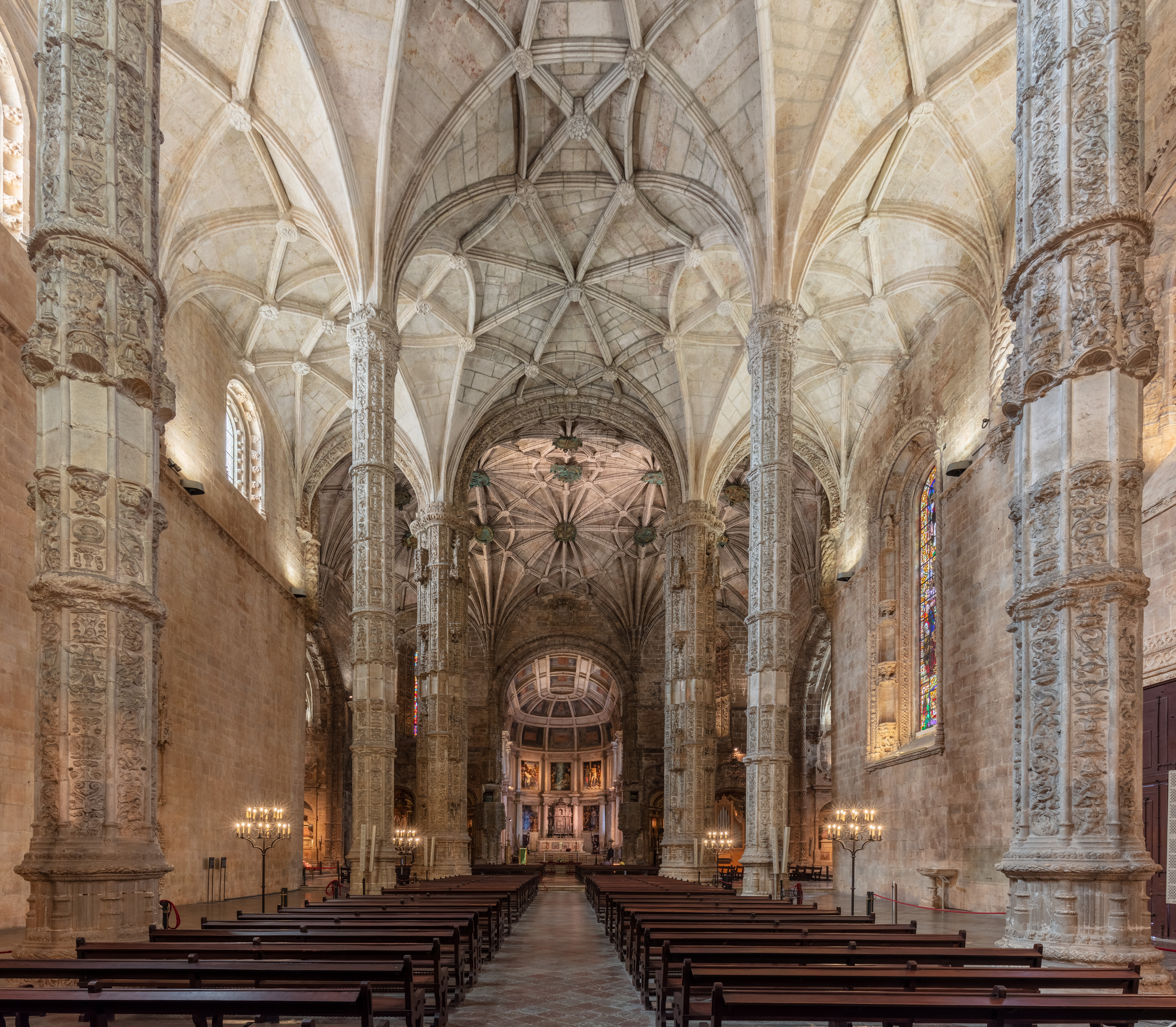
Belém is Lisbon's cultural district — a riverside zone 6km west of the city centre where Portugal's Age of Discovery heritage is concentrated in a cluster of monuments, palaces, and world-class museums. On a clear day, the outdoor monuments (the Jerónimos Monastery, the Belém Tower, the Monument to the Discoveries) are the main draw. On a rainy day, the museums take over — and they are excellent.
The choice between Belém's two strongest indoor options comes down to your interests. MAAT — Museum of Art, Architecture and Technology is Lisbon's flagship contemporary art museum, occupying a striking building that extends into the Tagus river on a low curved platform. The main building houses rotating contemporary art exhibitions of consistently high quality; the adjacent power station building (the Central Tejo) is a permanent exhibit on Lisbon's industrial history, with the original turbines and generators still in place. Entry is €11 for the combined ticket. The building itself, particularly the curved white rooftop walkway, is an experience on a clear day — on a rainy day, the indoor exhibition space is the focus and it is very strong.
Museu Nacional dos Coches — the National Coach Museum — is the alternative and one of the most genuinely spectacular museums in Portugal. The main hall houses the largest and finest collection of historic royal carriages in the world: elaborate 17th and 18th-century coaches encrusted with gold leaf, painted allegorical scenes, and baroque carvings, displayed in a modern gallery designed by Paulo Mendes da Rocha. The Baroque coaches of Phillip V — three massive golden carriages commissioned for the Portuguese ambassador's visit to Rome in 1716 — are the centrepiece and are among the most extraordinary objects of applied art anywhere in Europe. Entry is €8. Allow 60–75 minutes and you will leave with a genuinely different sense of how European royal culture expressed itself through transportation.
A third option: the Museu de Arte Popular on the riverfront between the two main museums is smaller, quieter, and free — a collection of Portuguese folk art and craft traditions from every region of the country. Worth 30–40 minutes if the main museums are crowded or you want a shorter indoor stop. By 12:30, head east on foot toward the café that every Lisbon visitor eventually finds.
Need a weather-proof sequence in 30 seconds? Tempo can swap your Lisbon day to prioritize indoor stops automatically. Try Tempo AI Travel Planner
12:30 PM — Pastéis de Belém and a Long Lunch
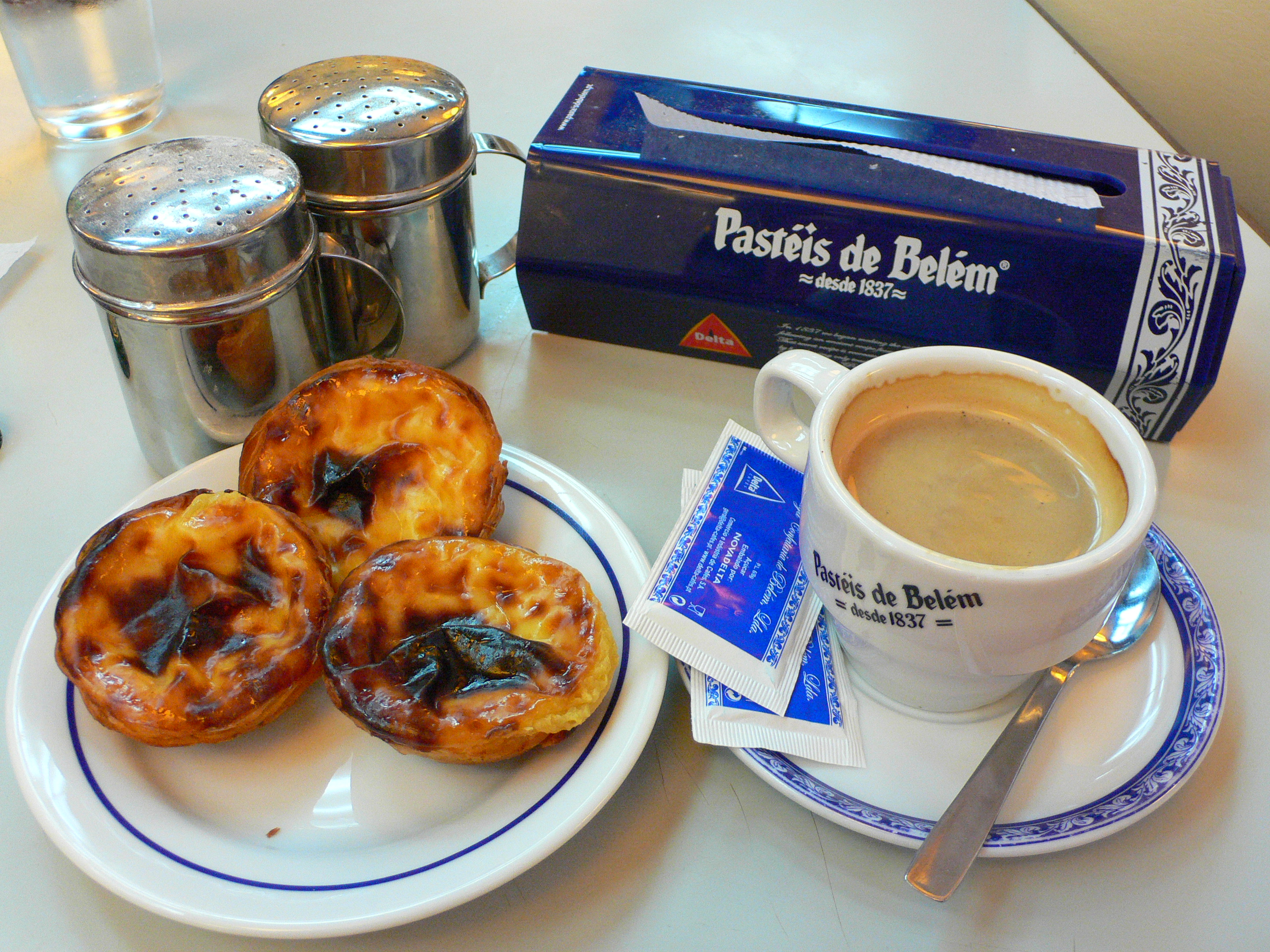
Pastéis de Belém on Rua de Belém is the original and, for many people, definitive source of the Portuguese custard tart. The recipe — a flaky pastry shell filled with a creamy egg custard, baked at high heat until slightly scorched on top, dusted with cinnamon and icing sugar — has been made here since 1837 using a recipe that has been kept secret since the monastery monks first developed it. The interior of the café is a maze of tiled rooms seating several hundred people; the queue out the front is a permanent feature regardless of weather. On a rainy day, the warm room, the cinnamon smell, and the slightly chaotic energy of the place are exactly the right atmosphere. Order three pastéis (you will eat three), a galão or espresso, and sit long enough to defrost.
After the pastéis, lunch either in Belém or on the tram ride back east. Belém has a handful of good lunch options: Tasca da Esquina is one of Lisbon's most respected casual restaurants, with a changing menu of Portuguese ingredients treated with modern technique and none of the tourist-facing presentation that many Belém restaurants lean on. For something simpler and faster, the cafés around the Jerónimos Monastery square serve decent bacalhau dishes and daily specials that are a reliable midday reset.
This lunch block — from 12:30 to roughly 2:15 — is deliberately slow. Rainy days in Lisbon are best treated as permission to sit longer, eat more carefully, and avoid the rush that clear-day itineraries impose. The afternoon has good options regardless of how the weather develops.
2:30 PM — LX Factory: Lisbon's Best Covered Afternoon Zone
LX Factory is a former 19th-century textile complex on Rua Rodrigues de Faria, east of Belém on the way back toward the city centre — reactivated since 2007 as a cluster of independent shops, studios, restaurants, and event spaces inside the original industrial buildings. It is not fully enclosed, but the covered walkways between the old factory buildings provide meaningful shelter, and many of the shops and cafés are entirely indoor. On a rainy afternoon it functions as an excellent browsing zone — somewhere between a market, a design fair, and a neighbourhood high street.
What to look for inside: Ler Devagar is a legendary Lisbon bookshop occupying a former printing factory, with books stacked to a five-metre ceiling and a flying bicycle installation overhead. It is one of the most beautiful bookshops in Europe and entirely free to browse. The cafés throughout LX Factory range from good to excellent — Rio Maravilha on the upper floor has a terrace with views over the river that is useless in rain but has a warm indoor room that works well in any weather. The weekend market (Sundays only) is the most famous draw, but the permanent shops and studios are open Tuesday through Sunday and reward an unhurried browse.
Spend 60–90 minutes in LX Factory, then take the 15E tram or a short Uber east to Chiado for the late afternoon. The journey takes about 10 minutes along the riverside.
4:30 PM — Chiado: The Right Neighbourhood for a Rainy Afternoon
Chiado is the neighbourhood that handles Lisbon rain better than any other. It is hilly but not brutally so, its streets are lined with covered arcades and shop awnings, its café density is the highest in the city, and its bookshops and small galleries give you reasons to be inside that do not feel like hiding from the weather. It is also where Lisbon's intellectual and creative life has been centred since the 19th century — the neighbourhood where Fernando Pessoa wrote, where the literary cafés that shaped Portuguese modernism operated, and where independent fashion, design, and food businesses have clustered in the decades since.
Two specific indoor stops worth making: Livraria Bertrand on Rua Garrett holds the Guinness World Record as the world's oldest bookshop in continuous operation — open since 1732 and still an excellent bookshop, with a well-curated English-language section and a café inside. The kind of place where 45 minutes disappears without effort. FNAC Chiado on Rua do Carmo is a large cultural retailer — books, music, electronics, event tickets — useful for browsing and for picking up a Portuguese music CD if fado has caught your attention during the trip.
For the late afternoon coffee stop: Bettina & Niccolò Corallo on Rua do Poço dos Negros serves what many consider the finest hot chocolate in Lisbon — thick, slightly bitter, made from São Tomé cacao. On a cold rainy afternoon, it is difficult to improve on. O Corvo on Calçada Engenheiro Miguel Pais is a small neighbourhood café with excellent natural wine and simple food — a local spot with none of the tourist-facing posturing of some Chiado establishments.
6:30 PM — Time Out Market: The Ideal Rainy Evening Dinner
Time Out Market Lisboa on Avenida 24 de Julho in Cais do Sodré is the original Time Out Market — the concept was launched here in 2014 before being exported to Miami, New York, Chicago, and beyond. It occupies a restored 1892 market hall and houses around 35 food stalls from some of Lisbon's most respected chefs and restaurants alongside a large communal seating area. The quality is consistently well above what you would expect from a food hall format — this is not a collection of fast-food stalls but a curated selection of serious cooking in an accessible, no-reservation format.
On a rainy evening it functions perfectly: fully enclosed, warm, lively, and completely flexible on timing and group size. You can arrive at 6:30 before the main crowd builds, pick your stalls — the bacalhau croquettes at the Tasca da Esquina stall, oysters from the seafood counter, bifanas from Solar dos Presuntos, pastel de nata from Manteigaria — find a table, and eat well for €15–25 per person depending on appetite. The wine selection at the market's bar is decent and the Portuguese craft beer options have improved significantly in recent years.
One honest note: Time Out Market is very popular and can feel crowded on Friday and Saturday evenings. If you are visiting on a weekend, arrive by 6:30 rather than 7:30 for a noticeably more comfortable experience. On weekday evenings it is calmer throughout.
8:30 PM — Fado or Wine Bar: The Lisbon Evening Indoors
Fado is Portugal's most distinctive cultural contribution to the world — a genre of song characterised by saudade, the untranslatable Portuguese concept of melancholic longing, performed by a singer (the fadista) accompanied by the Portuguese guitar and viola baixo. It developed in Lisbon's Alfama neighbourhood in the early 19th century and remains most authentically performed there, though Bairro Alto and Mouraria also have good houses. On a rainy evening — the atmospheric conditions that fado was practically made for — it is the definitive way to close a Lisbon day.
Tasca do Chico in Bairro Alto is one of the most respected small fado houses in Lisbon — 25 seats, genuine fadistas (not tourist-circuit performers), good food, and an atmosphere that feels exactly as it should. Reservations are essential and usually need to be made a week or more ahead. Mesa de Frades in Alfama is another excellent option — a former chapel converted into a restaurant and fado house with tiled walls and exceptional acoustics. Also requires advance booking. For a less formal but still authentic fado experience, O Corvo in Intendente hosts occasional fado sessions without the dinner-show format — worth checking their schedule for the week of your visit.
If fado is fully booked or not your inclination, Pensão Amor in Cais do Sodré — a beautifully decorated bar in a former brothel, with eclectic interiors and a literary bent — is one of Lisbon's most atmospheric evening spaces. Park Bar on Calçada do Combro is a rooftop bar (skip the rooftop in rain, enjoy the indoor lower level) with excellent cocktails and a crowd that skews local. Both are within easy distance of Time Out Market.
Cais do Sodré has the advantage of direct access to Lisbon's main metro and train stations, making the journey home at the end of a rainy evening entirely manageable without a long wet walk.
Practical Tips for Rainy Lisbon Days
- The cobblestones are genuinely dangerous when wet. Lisbon's calçada portuguesa — the beautiful black-and-white mosaic pavements — become extremely slippery in rain. This is not a minor caution. Shoes with any kind of grip are essential; smooth leather soles on wet calçada are a fall waiting to happen. If you brought the wrong shoes, the shops around Baixa and Chiado sell basic waterproof trainers at reasonable prices.
- Tram 15E is your best friend on a rainy day. It runs along the flat riverside road from central Lisbon to Belém and back, entirely avoiding the hills and cobbled descents of the Alfama-to-Baixa route that makes walking miserable in wet weather. A single tram journey costs €3 or is covered by the 24-hour transport card (€6.80). Buy the card at any metro station and use it without thinking for the rest of the day.
- Avoid Tram 28 on a rainy day. The famous yellow tram goes uphill through Alfama and Graça — scenic on a clear day, steep and crowded on a wet one. It is also consistently jammed with tourists. On a rainy-day itinerary there is no reason to use it; the 15E and metro cover the relevant routes more comfortably.
- Book fado in advance, not on the day. The best small fado houses — Tasca do Chico, Mesa de Frades, Sr. Vinho — typically book out days or weeks ahead. Checking availability on the day of a rainy visit, when everyone has pivoted to indoor entertainment, is usually too late. If fado is a priority, book before you travel.
- Carry a compact umbrella, not a rain jacket alone. Lisbon's rain often comes sideways, driven by Atlantic wind off the Tagus. A rain jacket handles the top half but leaves you wet from the waist down within ten minutes of sustained rain. A compact umbrella combined with a water-resistant layer is the correct kit for a Lisbon rainy day.
- LX Factory is closed Mondays. If your rainy Lisbon day falls on a Monday, replace the LX Factory block with an extended Chiado afternoon — the bookshops, cafés, and Museu do Chiado (the national museum of contemporary Portuguese art) are all open and fill the same time slot well.
Takeaways
- Rain in Lisbon requires a genuine itinerary rebuild, not just indoor swaps — the hills and cobblestones that make the city beautiful on a clear day make it uncomfortable and occasionally dangerous when wet. This route stays flat, uses trams for the longer hops, and concentrates on the neighbourhoods and experiences that work in any weather.
- Belém is the strongest rainy-day morning anchor in Lisbon. The MAAT and Museu dos Coches are both exceptional museums that deserve more attention than they get on clear-day itineraries dominated by the outdoor monuments.
- Pastéis de Belém in the rain is one of Lisbon's best experiences in any conditions — the warm room, the queue, the cinnamon smell, and the pastéis themselves are all better appreciated when you are not rushing between outdoor sights.
- Chiado handles rain better than any other Lisbon neighbourhood — Livraria Bertrand, the covered arcades, the café density, and the flat-enough streets make it the natural afternoon shelter zone for a wet city day.
- Fado was made for rainy evenings. If you can book a seat at Tasca do Chico or Mesa de Frades, a wet Lisbon night in a small fado house is one of the most memorable cultural experiences available in European city travel.
Rainy Day Lisbon FAQs
Frequently Asked Questions
- What can I do in Lisbon when it rains?
- Restructure your day around three indoor anchors: Belém in the morning (MAAT for contemporary art or Museu dos Coches for the extraordinary royal carriage collection), LX Factory and Chiado in the afternoon (Ler Devagar bookshop, Livraria Bertrand, café stops), and Time Out Market followed by a fado house in the evening. Use Tram 15E along the riverside for the longer hops to avoid wet hills. This gives you a complete, high-quality Lisbon day with minimal outdoor exposure.
- Is Lisbon still worth visiting in rainy weather?
- Yes — though Lisbon requires more adaptation than most European cities when it rains. The outdoor experiences that make it famous (the miradouros, the tram rides through Alfama, the castle views) are all diminished in bad weather. But the indoor offer — two outstanding museums in Belém, Chiado's bookshops and cafés, the Fado houses in Alfama and Bairro Alto, and Time Out Market — is genuinely excellent. A rainy Lisbon day done well is a different but complete city experience.
- How much walking should I plan for a rainy day in Lisbon?
- Aim for 5–6km total, with tram support for the longer sections. The key is avoiding the steep cobbled hills — particularly the Alfama ascent and the Santa Catarina descent — which become both tiring and slippery in rain. This route stays on the flat riverside corridor from Belém to Cais do Sodré, with Chiado as the one mildly hilly section. If even that feels like too much, Tram 15E covers the full riverside distance and Uber is widely available and reasonably priced for short hops.
- Should I avoid Alfama in heavy rain?
- For daytime sightseeing, yes — the Alfama hillside is steep, the streets are narrow and poorly sheltered, and the famous viewpoints (Portas do Sol, Santa Luzia) offer nothing in low cloud and rain. For the evening, Alfama's fado houses are worth the short tram or Uber ride regardless of weather — you go inside immediately on arrival and the wet streets outside are irrelevant. If fado is your goal, do not let rain be the reason to skip it; take a cab from Cais do Sodré and you are at the door of Tasca do Chico in five minutes.
- Is Time Out Market good for dinner on a rainy day?
- It is one of the best options in Lisbon specifically for a rainy-day dinner. It is fully enclosed, requires no reservation, handles groups of any size easily, and has a quality ceiling significantly higher than most food halls. The stalls from Tasca da Esquina, Manteigaria, and Solar dos Presuntos are all worth finding. Arrive before 7pm on weekends for a comfortable table; weekday evenings are more relaxed throughout. At €15–25 per person for a full meal with wine, it is also one of the better-value dinners in central Lisbon.
- What is the best museum in Lisbon for a rainy day?
- MAAT and Museu dos Coches are the two strongest single-museum rainy-day options, and the choice comes down to interest. MAAT — the Museum of Art, Architecture and Technology in Belém — is Portugal's best contemporary art museum, with excellent rotating exhibitions and the additional bonus of the Central Tejo power station building as a permanent exhibit. Museu dos Coches houses the world's finest collection of royal carriages and is one of the most visually spectacular museums in Portugal — the scale and craftsmanship of the 18th-century Baroque coaches is something no photograph prepares you for. Either is a strong choice for a 75–90 minute morning anchor.
Planning your day in Lisbon?
Generate a personalized hour-by-hour city plan instantly with the Tempo AI Travel Planner.
Related Articles
Weekend in Lisbon: A Smart 2-Day City Plan
Use this when weather is mixed and you have two full days.
TipsRainy Day Amsterdam: The Best Indoor Hour-by-Hour Plan (2026)
Another weather-proof city flow to model from.
TipsRainy Day Rome: A Perfect Indoor Hour-by-Hour Itinerary (2026)
Indoor-first planning with practical sequencing.